What happens if you drive without insurance?



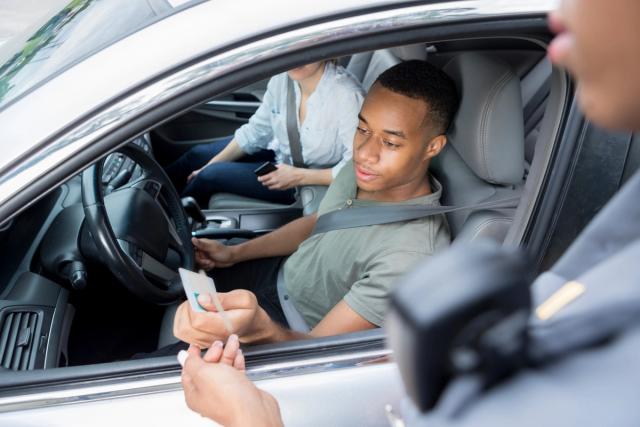
In most states, it’s illegal to drive without insurance. And if you’re caught, the consequences can go far beyond a simple ticket. Depending on where you live, driving without insurance could lead to fines, license suspension, vehicle impoundment, higher insurance costs, or even legal trouble after an accident.
Here’s what can happen if you drive without car insurance (and what to do if you find yourself in that situation).
Is it illegal to drive without insurance?
Most states have a minimum amount of required auto insurance, and it’s illegal to drive without it. The minimum usually involves some form of liability insurance, which helps pay for injuries or property damage you cause to other people if you’re at fault in an accident.
For example, in California, you’re required to carry liability insurance with a minimum of:
- $30,000 for injuries or death of one person
- $60,000 for injuries or death to multiple people per accident
- $15,000 in property damage
But in New York, the limits look different — you’ll need liability insurance with a minimum off:
- $25,000 for bodily injury and $50,000 for the death of a person in a crash
- $50,000 for bodily injury and $100,000 for the death of two or more people in a crash
- $10,000 for property damage
Find out: How much car insurance do I need?
What happens if you’re caught driving without insurance?
Exact penalties for driving without insurance depend on where you live. But here are some of the most common consequences:
Fines and penalties
While these can vary depending on where you live, here’s what first-time penalties can look like in some of the five most populated states to give you a sense of the range:
- California: $100 plus penalties (first offense); $250 to $500 plus penalties (repeat offenses)
- Texas: $175 to $350 (first offense); $350 to $1,000 (repeat offenses)
- Florida: Up to $500 (first offense); up to $1,000 (repeat offenses)
- New York: Up to $1,500 traffic court fine
- Pennsylvania: $300 minimum fine
Some states also tack on additional fees, court costs, reinstatement fees, and administrative charges. So even if the original fine doesn’t seem too bad, the total bill can balloon. For example, California’s $100 base fine for a first offense reportedly works out to roughly $450 after fees and assessments are added in, while a $500 fine can climb closer to $2,500 in total costs.
License suspension
In some states, driving without insurance can result in a suspended driver's license. And getting your license back usually isn’t as simple as paying a ticket.
You might also have to:
- Pay reinstatement fees
- Show proof of insurance
- File additional paperwork
- Complete waiting periods
This can quickly turn into a major headache if you rely on your car for work, school, or everyday life.
Vehicle impoundment
Some states can temporarily impound your car if you're caught driving uninsured. This means your vehicle could be towed and held until you provide proof of insurance and pay any required fees. Beyond towing fees, you could also face daily storage charges while your car sits in an impound lot.
SR-22 requirement
If you’re caught driving without insurance, you might also be required to file an SR-22, which is a document proving you now carry required coverage. States often require SR-22 filings after serious driving violations, including:
- Driving without insurance
- DUI or DWI convictions
- Reckless driving violations
- Repeat traffic offenses
Depending on the state, you might have to maintain an SR-22 without any coverage lapses for about three years. An SR-22 can also make it harder and more expensive to get a policy.
What happens if you get into an accident without insurance?
Any of the following could happen if you get into a car accident without insurance:
- You might have to pay for damage out of pocket. These costs could include repairs to the other vehicle, medical bills for anyone hurt in the accident, property damage costs, and more.
- You could be sued. If damages exceed what you can afford to pay, the other driver could take legal action against you. This might lead to wage garnishment or seizing your savings accounts and other assets.
- Your own car might not be covered. If you don't carry collision coverage, your insurance won't help repair your vehicle, even if you're still making payments on it.
- You could face additional penalties. Some states impose harsher penalties when an uninsured driver is involved in an accident.
- Future insurance can become more expensive. Once you eventually buy coverage again, insurers could view you as a higher-risk driver and either deny you a policy or charge higher premiums.
How much can it cost to drive without insurance?
The cost of driving without insurance could be much higher than expected — especially if you’re involved in one of the nearly six million police-reported traffic crashes that happen each year, as of the latest data from the National Highway Traffic Safety Administration.
Some potential costs include:
- Fines: Depending on your state, first-time penalties often range from around $100 to $1,500 or more, with repeat offenses potentially costing much more.
- License reinstatement fees: If your license gets suspended, you might need to pay additional fees to get it reinstated. In Florida, for example, the reinstatement fee is up to $500.
- Towing and impound fees: If your vehicle is impounded, you could end up paying towing charges plus daily storage fees. In Minnesota, for example, towing by the police can cost $225 plus $15 each additional day.
- SR-22 filing costs: You’ll typically pay about $25 to file an SR-22, though this varies by state. However, you could pay much more than this in higher insurance premiums, which are often the result of having an SR-22 and being considered a high-risk driver.
- Out-of-pocket accident costs: This is where things can become especially costly if you’re sued for medical bills and other damages.
Does driving without insurance affect your credit?
Driving without car insurance doesn’t automatically lower your credit score or appear on your credit report. That said, the financial fallout from driving uninsured can eventually spill into other parts of your life.
For example, your credit could potentially be affected if:
- Unpaid fines get sent to collections
- Court judgments go unpaid
- Medical bills or legal expenses become delinquent
- You miss payments because of accident-related costs
In other words, the insurance violation itself usually isn’t the issue. It’s everything that can happen afterward.
Can you go to jail for driving without insurance?
For a first offense, many states treat driving without insurance as a traffic violation or civil offense. But things can become more serious if:
- You’re a repeat offender.
- You caused a serious accident while uninsured.
- You were driving with a suspended license.
- You provided false insurance information.
- Your state classifies repeat violations as criminal offenses.
Some states treat repeated uninsured driving offenses more harshly, and certain situations can rise to the level of a misdemeanor. So, while jail generally isn’t the most likely outcome, driving without insurance can create legal problems that become much bigger over time.
What to do if you’re caught driving without insurance
If you’ve already been caught driving without insurance, here are some good next steps:
- Get coverage immediately. Getting a policy as soon as you can can prevent any additional issues from popping up.
- Pay any fines or fees. Ignoring tickets or penalties will only create more of a headache later. Pay anything you’re supposed to as soon as you’re able.
- Follow your state’s requirements carefully. Your state could require you to file an SR-22 with an insurance company or fill out reinstatement paperwork, among other steps. Review these rules and do exactly as you’re told.
- Keep records of everything. Getting proof of insurance and paying fines could be a lengthy process. Make sure you keep records of any confirmation numbers or proof of coverage you have in case it comes into question.
- Ask questions if you’re unsure. State DMV websites and insurance companies can often explain exactly what steps you need to take based on your situation.
How to get car insurance if you’ve been uninsured
Insurance companies often see gaps in coverage as a risk factor. So, depending on how long you were uninsured and why, you might notice higher quotes at first.
Here are a few things that can help:
- Shop around with multiple auto insurance companies. Rates can vary a lot after a coverage lapse. One company might penalize uninsured periods more heavily than another, so it’s worth shopping around to compare options.
- Be honest about your history. Insurance companies can usually verify prior coverage anyway, so it’s generally better to answer questions accurately.
- Ask about state programs or high-risk options. If you’re struggling to find coverage, some states have assigned-risk programs for drivers having trouble getting insured. There are also some insurance companies that specifically work with high-risk drivers.
- Consider adjusting your deductible. Choosing a higher deductible can lower your premium, though make sure it’s still an amount you could afford after an accident.
- Bundle policies if possible. If you also need renters, homeowners, or another type of policy, bundling could help reduce your total costs.
How to avoid driving without insurance
These tips can help lower your chances of unintentionally driving without insurance:
- Set up autopay if possible. This is often the easiest way to avoid accidentally missing a payment and lapsing on coverage.
- Turn on renewal reminders. If you have your car insurance app on your phone, enable notifications so you can get an alert when it’s time to renew your policy. You could also set up a calendar event on your phone.
- Open insurance mail and emails. Insurance companies often send notices before policies end, so make sure you’re reading your mail.
- Review your coverage before changing cars. Buying, selling, or replacing a vehicle can sometimes create temporary gaps if paperwork isn't updated.
- Shop around before canceling an old policy. Ideally, your new coverage should start before your old policy ends.
Next up: What is uninsured motorist coverage?
Driving without insurance FAQs
If you get pulled over without insurance, you could receive a ticket, be fined, have your license suspended, or even have your car impounded in some situations. Read up on laws in your state and make sure you’re not caught without a policy.
Nearly every state requires you to carry a minimum amount of liability insurance. There are a few exceptions, but even in those situations, you can still be held financially responsible if you cause an accident.
If you cause a car accident without insurance, you could very well be responsible for paying for repairs, medical bills, legal costs, and other damages out of pocket. You might also face additional penalties from your state and could have a harder time finding affordable insurance later. Don’t risk it by driving without appropriate insurance.
While many states treat a first offense of driving without insurance as a traffic violation or civil offense, others can charge you with a misdemeanor. Repeat violations and serious accidents can increase these consequences.