


Credit score
All you need to know





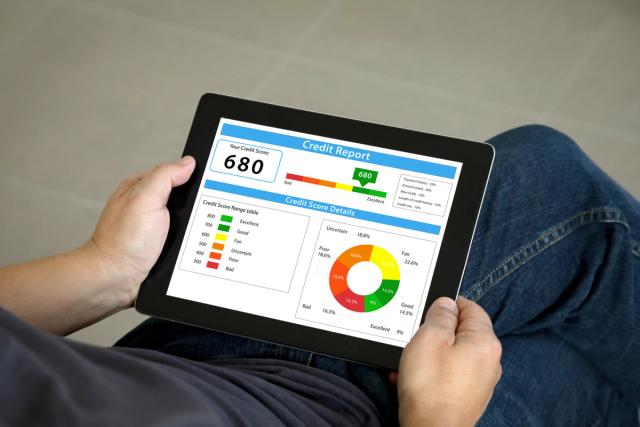

A credit score is a three-digit number that tells lenders how risky it might be to lend you money. It’s based on your past behavior, like whether you pay your bills on time and how much debt you carry. A higher score signals that you’re more likely to repay what you borrow, which makes lenders more comfortable working with you.
Having multiple credit cards can help you build credit if you manage them well. For example, having multiple cards could increase your available credit and potentially lower your utilization, which might help your score.
But having more accounts also means there are more opportunities to miss a payment or carry a balance. So the benefit really comes down to whether you use them responsibly.
If you’re looking for a relatively quick win, paying down your credit card balances can help. This is because credit utilization is updated regularly, so lowering your balances could improve your score within a billing cycle or two.
Beyond that, the biggest driver in your overall score is still on-time payments. While it can take longer to build a positive payment history, making consistent, on-time payments matters the most over time.
Yes. You don’t need a credit card to check your credit score. Credit bureaus, financial apps, and other services can provide access even if you don't currently have a credit card account.