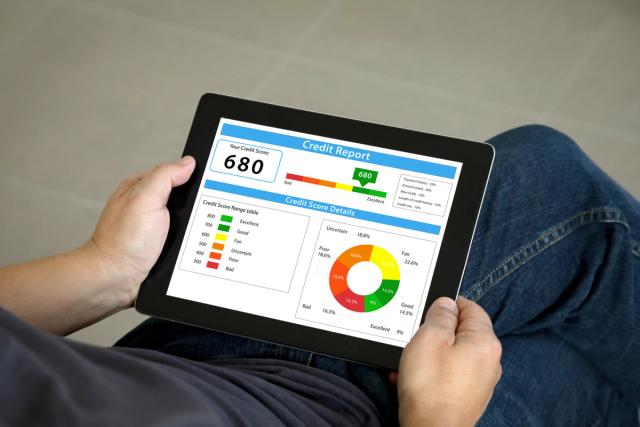
How to check your credit score



If you're wondering how to check your credit score, the process is typically quick, free, and available through a variety of providers. Regularly reviewing your credit score can help you track your financial progress, identify potential problems early, and prepare for future borrowing needs.
In this guide, we'll explain how to check your credit score, where to access it for free, and what the number means for your overall financial health.
How to check your credit score
Your credit score plays an important role in your financial life. Lenders generally use it when evaluating applications for credit cards, mortgages, auto loans, and other forms of borrowing. A higher score can also help you qualify for better rates and terms.
Fortunately, checking your credit score is easier than ever. Just follow these five steps.
1. Gather the information you'll need
Before checking your credit score, make sure you have basic personal information handy. Most providers will ask you to verify your identity using details such as your name, address, date of birth, and Social Security number.
Some services might also ask security questions based on your credit history, such as the lender for an existing loan or the approximate payment amount on a current account.
2. Choose a provider
There are several ways to check your credit score. Depending on your preferences, you might already have free access through an account you use regularly. Some options include:
- Banks and credit card issuers: Many banks and credit card companies provide free credit scores through online account dashboards or mobile apps.
- Free credit-monitoring services: Credit-monitoring platforms often provide free credit scores and alerts about changes to your credit profile.
- Credit bureaus: Each of the three major credit bureaus — Equifax, Experian, and TransUnion — offers free access to your credit score, along with credit-monitoring tools and educational resources.
3. Verify your identity
Once you've selected a provider, you might need to confirm your identity before accessing your score. This process helps protect your personal information and prevent unauthorized access.
Verification can include entering personal details, answering security questions, or receiving a code via text message or email.
4. Review your score
After verification, you'll typically see a three-digit credit score. Scores can range from 300 to 850, with higher scores generally indicating lower credit risk.
Many providers also display the factors affecting your score, such as payment history, credit utilization, length of credit history, and recent credit inquiries. Reviewing these details can help you understand what's helping or hurting your score.
Keep in mind that different scoring models exist. For example, some services provide a VantageScore, though many lenders use a FICO Score when evaluating applications. While your exact VantageScore or FICO score can vary, both generally move in the same direction over time.
5. Monitor changes over time
Checking your credit score regularly can help you track progress and identify potential problems before they become serious.
To monitor your score:
- Review your score at least once per year.
- Enable credit-monitoring alerts if available.
- Watch for unexpected drops.
- Check your credit report periodically for errors.
- Track improvements as you pay down debt and build a positive payment history.
Does checking your credit score hurt your credit?
No, checking your credit score doesn’t hurt your credit. When you review your own credit score, the request is considered a soft inquiry. Soft inquiries don’t affect your credit score and aren’t visible to lenders reviewing your credit report.
By contrast, a hard inquiry will likely occur if you apply for a credit card, personal loan, or other form of credit. Hard inquiries can temporarily lower your score by a few points, though the impact is usually small.
Credit score vs. credit report: What's the difference?
Although these terms are often used interchangeably, a credit score and a credit report aren’t the same thing. A credit score is a three-digit number that summarizes your creditworthiness based on information in your credit report, while a credit report is a detailed record of your credit history.
Your credit report can include:
- Personal identifying information
- Credit accounts, including revolving credit lines (like credit cards) and installment loans
- Payment history
- Credit inquiries
- Collection accounts
- Certain public records, such as bankruptcies and foreclosures
Think of your credit report as the source material and your credit score as a snapshot created from that information.
How often should you check your credit score?
In most cases, checking a credit score once a year is likely sufficient. Yearly reviews can help you monitor your progress without becoming overly focused on small fluctuations.
However, you might want to check your score more frequently if:
- You're preparing to apply for a loan.
- You're actively rebuilding your credit.
- You've recently paid off significant debt.
- You're monitoring for identity theft or fraud.
Checking your own score doesn't affect your credit, so there's no downside to reviewing it regularly.
Learn more: How personal loans affect your credit score
What to do if you have a low credit score
A low credit score doesn't have to be permanent. Many credit-scoring factors improve over time with consistent financial habits.
Consider these strategies:
- Pay all of your bills on time. This can help you build a positive payment history.
- Reduce balances on credit cards and lines of credit. This can lower your credit utilization (the amount of credit you’ve used compared to your limits).
- Apply for new accounts thoughtfully. Avoid applying for multiple new accounts at once, since this could lower your credit score.
- Review your credit reports for errors. Dispute any you find with the appropriate credit bureau.
- Keep older accounts open. Instead of closing credit card accounts, for example, keep them open when possible. This can help to maintain and grow the age of your credit history.
- Consider becoming an authorized user. If you know someone with good credit who has a well-managed credit card account (such as a parent or other family member), see if you can become an authorized user. You can benefit from their good credit habits (like on-time payments) without even needing to use the card.
Improving your credit score takes time, but even small changes can lead to meaningful progress over the long term.
Frequently asked questions
Yes. Many banks, credit card issuers, credit-monitoring services, and financial apps provide free access to credit scores. You might already have access through an account you currently use.
No. Checking your own credit score results in a soft inquiry, which doesn’t affect your credit score.
Credit scores should update when lenders report new information to the credit bureaus. Depending on the lender, this can occur monthly or at other regular intervals.
Any reputable credit score can provide a useful snapshot of your credit health. However, it's important to understand which scoring model you're viewing. Some services provide your VantageScore, though many lenders rely on FICO Scores when making lending decisions.
Yes. You don’t need a credit card to check your credit score. Credit bureaus, financial apps, and other services can provide access even if you don't currently have a credit card account.