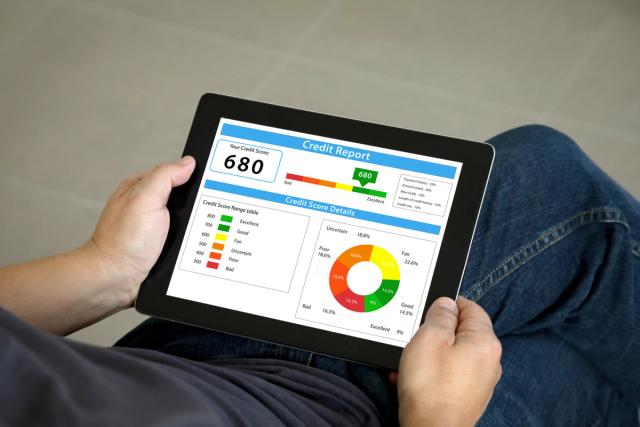
What is a credit score and how does it work?



You’ve probably heard that it’s important to have a good credit score. But you might not fully know what that is or what it means. Your credit score is one of those numbers that quietly follows you around — and it can affect everything from loan approvals to insurance rates.
Here’s what to know about what a credit score is and how it works — and how to use it to your advantage.
What is a credit score and how does it work?
A credit score is a three-digit number that represents how likely you are to repay borrowed money. It’s based on your credit report, which tracks how you’ve handled credit in the past — including things like your payment history, how much debt you carry compared to your credit limits, and how long you’ve had credit accounts open.
Scoring models use this information to calculate your actual score. The two most common models are FICO and VantageScore. Both use similar data, but the formulas are slightly different. This is why your score can vary depending on where you check it.
And here’s something a lot of people don’t realize: You don’t just have one credit score. You can have multiple scores, depending on the model being used. In fact, there are many different versions of FICO scores alone (at least 14), and lenders might use different ones based on what you’re applying for.
It’s also worth noting that your credit score isn’t a fixed number. It goes up or down over time based on your behavior, like:
- Paying bills on time
- Carrying high credit card balances
- Opening or closing accounts
Credit score ranges
Credit scores (including both FICO and VantageScore) range 300 and 850. Where you land on this scale determines how lenders (and sometimes insurance companies and landlords) view you. In other words, your credit score can directly impact what kinds of financial opportunities you have access to.
Here’s how credit scores are typically grouped:
| Credit tier | FICO score range |
|---|---|
| Excellent | 800 to 850 |
| Very good | 740 to 799 |
| Good | 670 to 739 |
| Fair | 580 to 669 |
| Poor | 300 to 579 |
Most people fall somewhere in the middle of the good and excellent ranges. For example, as of September 2025, about half of consumers had a credit score of 740 or higher, while roughly 30% fell below 670, according to Experian data.
What is a good credit score?
A score of 670 or higher is typically considered a good credit score. This is usually the point where lenders start offering more competitive terms, including lower interest rates. You’ll also generally have better approval odds with a good score.
But there’s a bit more nuance to it than that:
- 670+ (good): You’ll have an easier time qualifying for loans and credit cards with decent rates.
- 740+ (very good): You’ll start getting even better interest rates.
- 800+ (excellent): You can qualify for the best rates and premium offers available.
How a good credit score can impact loan costs
The difference between “good” and “excellent” might not seem huge on paper, but it can add up in real dollars. For example, let’s say you take out a $30,000 car loan with a five-year repayment term.
- If you have excellent credit, you might qualify for a rate of 5%.
- If you have very good credit, that rate could be closer to 6.5%.
That small 1.5% difference could mean paying around $1,250 more in interest over the life of the loan — and that’s not an insignificant amount.
What is a bad credit score?
A credit score below 580 is generally considered poor. This is what’s often referred to as a bad credit score. Having a score this low doesn’t mean you won’t be able to borrow money, but your options will likely be more limited and more expensive.
Here’s how that typically plays out:
- You might face higher interest rates.
- Some lenders could deny your application altogether.
- You might need a larger down payment or a cosigner.
How a bad credit score can impact loan costs
Just like with good credit, small differences in your score can have a real impact on what you pay. For example, using that same $30,000 car loan with a five-year term from before:
- If you have fair credit, you might qualify for a rate around 13%.
- If you have poor credit, you could be looking at a rate of 16% or higher.
That jump could mean paying $2,817 more in interest over the life of the loan for the exact same car.
What affects your credit score?
Your credit score is based on five key factors that, altogether, indicate how well you manage debt. These factors include:
- Payment history: This comprises 35% of your overall credit score, making it the biggest factor in your total score. If you only do one thing to improve your credit score, let it be paying your bills on time. Even one missed payment can hurt quickly.
- Credit utilization: This refers to how much of your available credit you’re using compared to your credit limits, and it makes up 30% of your score. Keeping your balances below roughly 30% of your total credit limit can help your score stay in a healthy range. For example, if your total limit is $10,000, you’d want to keep your balances under $3,000.
- Length of credit history: Your credit history length makes up 15% of your score. The longer you’ve had credit accounts open, the better.
- New credit inquiries: The number of new credit accounts you have makes up 10% of your score. Applying for and opening multiple accounts in a short period can also temporarily lower your score.
- Credit mix: Lastly, having a mix of credit types — including revolving credit accounts (like credit cards) and installment loans (like car loans) —also affects your score. Your credit mix makes up the remaining 10% of your overall score.
Learn more about: What affects your credit score
How to check your credit score
There are multiple ways to check your credit score for free. You should never have to pay to access it unless you have a specific reason to. Here are a couple of options:
- Use your bank or credit card app. Many banks and credit card issuers offer free credit score tracking. This is often the easiest place to start.
- Check a free credit-monitoring service. Sites like Credit Karma or Experian let you view your score and track changes over time.
Some services offer more detailed insights or identity monitoring for a price, but they’re not necessary for most people.
How to improve your credit score
Improving your credit score is mostly about being consistent with your credit habits over time. Here are some of the most effective ways to raise your score:
- Pay your bills on time. This is the single most important factor as your payment history makes up 35% of your total score. Even one missed payment can drag your score down in ways you didn’t expect.
- Keep your credit card balances low. Try to use less than 30% of your available credit, ideally even lower if you can. This will help keep your credit utilization at a healthy level.
- Avoid opening too many new accounts at once. Opening multiple credit accounts in a short time can negatively impact your score. Only open new credit accounts when necessary.
- Keep older accounts open. Closing old credit cards can shorten your credit history, for example, which can lower your score.
- Check your credit report for errors. You can get a free credit report from each of the credit bureaus (Equifax, Experian, and TransUnion) at AnnualCreditReport.com every week. If anything looks wrong, dispute it with the appropriate credit bureau to possibly boost your credit score.
Why your credit score matters
Your credit score shows up in more places than you might expect. For instance, it can affect:
- Loan approvals (such as for car loans, mortgages, and personal loans)
- Interest rates (better scores usually mean lower rates)
- Credit card offers (including your credit limits and qualifying for rewards)
- Insurance premiums (in many states)
- Renting an apartment
- Getting a job
Frequently asked questions
A credit score is a three-digit number that tells lenders how risky it might be to lend you money. It’s based on your past behavior, like whether you pay your bills on time and how much debt you carry. A higher score signals that you’re more likely to repay what you borrow, which makes lenders more comfortable working with you.
Your payment history (in other words, paying your bills on time every time) has the biggest impact by far, making up 35% of your overall score. After that, your credit utilization (how much of your available credit you’re using) is the next-biggest factor (35%). Together, these two categories make up most of your score, and even small changes in these areas can move the needle pretty quickly.
There’s no shortcut to getting a 700 credit score. However, the three main areas to focus on are paying every bill on time, keeping credit card balances low, and avoiding unnecessary new accounts. If you consistently maintain good credit habits like these, your score will naturally start trending upward.
FICO and VantageScore are just two different ways of calculating your credit score. Both use the same underlying data from your credit report, but they weigh certain factors a little differently. That’s why you might see slightly different scores, depending on where you check. In practice, lenders tend to rely more heavily on FICO scores, but both models are widely used.
Your payment history makes up the largest portion of your credit score, so even one late payment can cause a noticeable drop. What’s more, missed payments can stay on your credit report for up to seven years. So if you’re going to focus on just one thing to improve your credit, make it this: Pay everything on time, every time.