How to get a credit report


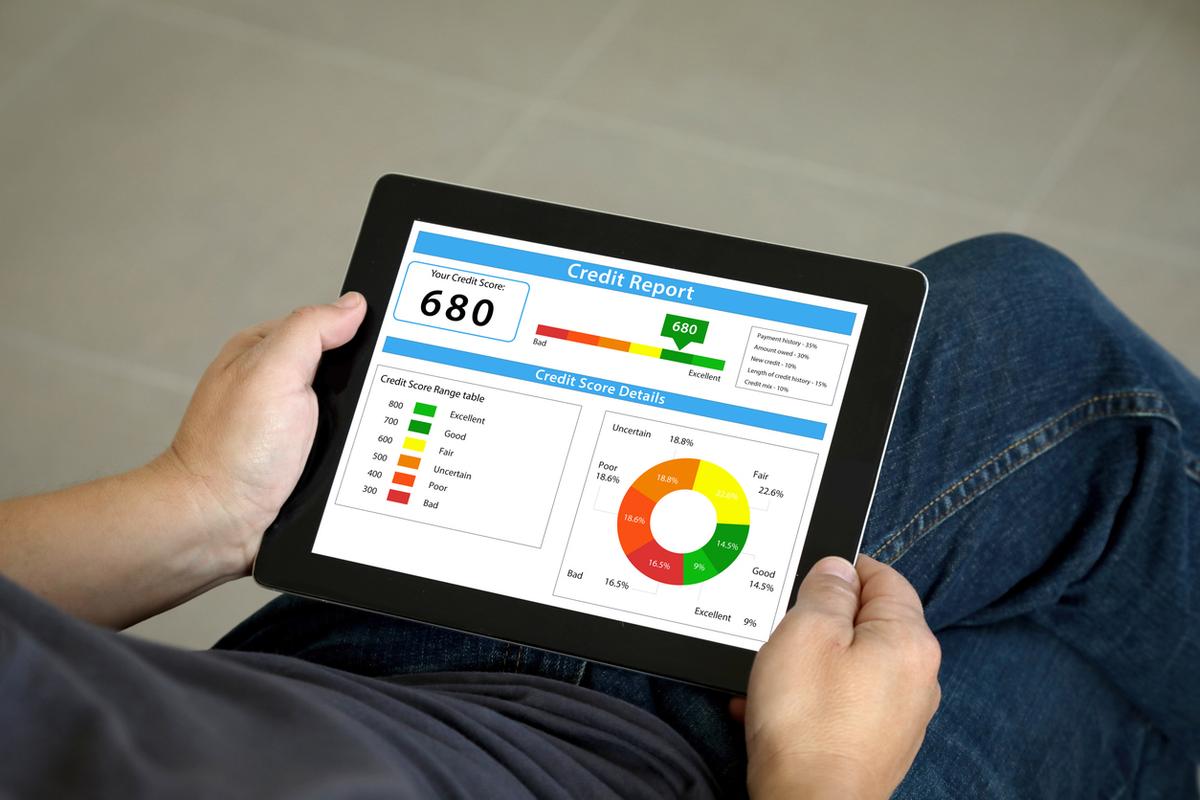
Your credit report contains information about how you've managed credit over time. Lenders will typically review it when you apply for a loan or revolving credit line (like a credit card). It can also help you identify errors, detect fraud, and understand the factors influencing your financial profile.
Fortunately, federal law allows consumers to access their credit reports from each of the credit bureaus for free.
Here's how to get a free credit report — and what to look for once you have it.
How to get a free credit report
You can access your free annual credit report in just a few minutes. Here are the steps:
1. Gather the information you'll need
Before requesting your credit report, be prepared to provide some personal information to verify your identity. This typically includes your full name, date of birth, Social Security number, and current address. You might also need to answer questions about your financial history.
2. Request your report
You can obtain weekly free credit reports from the three major credit bureaus — Equifax, Experian, and TransUnion — through AnnualCreditReport.com. You'll have the option to view reports from one bureau or all three at the same time.
Some banks, credit card issuers, and other websites also provide access to credit reports. However, be sure to review any terms carefully, as some services might charge fees or bundle reports with paid monitoring products.
3. Verify your identity
To protect your personal information, you'll need to complete an identity verification process. This could include answering questions about previous addresses, loan amounts, or other details that only you should know.
4. Review your report
Once you've accessed your report, take time to review your credit score and each section carefully. Look for unfamiliar accounts, incorrect personal information, inaccurate balances, or late payments that don't belong to you.
5. Monitor changes over time
Checking your credit report periodically can help you catch potential issues before they become larger problems. Regular reviews can also help you track your progress as you build or improve your credit.
How to read your credit report
A credit report contains several sections that provide information about your identity, credit accounts, borrowing history, and recent credit activity. Understanding what appears in each section can help you identify errors and monitor your financial health.
Personal information
The personal information section includes identifying details, such as:
- Your name
- Current and previous addresses
- Date of birth
- Employers
While this information isn't used to calculate your credit score, it's important for ensuring your credit file is associated with the correct person.
Credit accounts
This section contains information about your credit cards, mortgages, auto loans, student loans, and other borrowing accounts. It typically includes:
- Account balances
- Credit limits
- Payment status
- The date each account was opened
Review these accounts carefully to ensure they belong to you and that balances, payment statuses, and account details are accurate. Any unfamiliar account should be investigated immediately.
Learn: How to increase your credit limit
Payment history
Your payment history shows whether you've made payments on time and highlights any missed or late payments reported by lenders.
Look for late-payment marks that appear inaccurate or accounts showing delinquent payments you don't recognize. Payment history is one of the most important factors that affects your credit score, so errors in this section can have a significant impact.
Credit inquiries
Credit inquiries show who has accessed your credit report. Hard inquiries typically occur when you apply for new credit, while soft inquiries can occur when you check your own credit or when companies conduct promotional reviews.
Review hard inquiries for unfamiliar lenders or applications you didn't authorize. Unexpected inquiries can sometimes be a warning sign of fraud.
Collections and public records
This section can include collection accounts resulting from unpaid debts. Depending on the reporting practices and type of record, certain public record information might also appear.
Pay close attention to collection accounts that don't belong to you or debts that have already been resolved. Incorrect negative information can affect your ability to qualify for credit and might need to be disputed.
Why checking your credit report matters
Reviewing your credit report regularly can help protect your finances and improve your chances of qualifying for credit when you need it. Here are some of the major benefits of keeping an eye on your credit report:
- Fraud detection: If someone opens an account in your name or applies for credit using your information, your credit report can provide one of the earliest warning signs.
- Maintain your creditworthiness: Checking your report can also help ensure the information used by lenders is accurate. Errors such as incorrect balances, duplicate accounts, or improperly reported late payments can potentially affect your creditworthiness. Ultimately, identifying and disputing mistakes might help prevent unnecessary damage to your credit profile.
- Avoid issues with credit applications: Reviewing your credit report before applying for a personal loan, mortgage, auto loan, credit card, or apartment can help you address potential issues in advance. A cleaner, more accurate credit report may improve your chances of approval and help you qualify for better terms.
Credit report vs. credit score: What's the difference?
Although the terms are often used interchangeably, a credit report and a credit score aren’t the same thing.
- A credit report is a detailed record of your credit history. It includes information about your credit accounts, payment history, credit inquiries, and other financial activity reported to the credit bureaus.
- A credit score is a three-digit number calculated using information from your credit report. Lenders check your credit score to quickly assess how likely you are to repay borrowed money.
Think of your credit report as the source material and your credit score as a summary of that information.
How often should you check your credit report?
Checking your credit report at least once a year is a good habit for most consumers. Regular reviews can help you identify reporting errors, monitor your progress toward financial goals, and detect potential fraud.
You might want to check your report more frequently if you're actively working to improve your credit, preparing to apply for a mortgage or other major loan, or believe your personal information may have been compromised.
Because free credit reports are readily available, many consumers choose to review their reports every few months throughout the year.
How long does information stay on your credit report?
Not all information remains on your credit report forever. Positive information, such as accounts in good standing, can remain on your report for many years and can help demonstrate a history of responsible credit use. Most negative items, on the other hand, are removed after a set period — although the exact timeline depends on the type of information.
Here are some of the timelines to expect:
- Hard inquiries generally remain on your credit report for two years.
- Late payments, collection accounts, and most other negative information typically stay on your report for seven years.
- Chapter 13 bankruptcies generally stay on a credit report for seven years.
- Chapter 7 bankruptcies can remain for 10 years.
What to do if you find an error on your credit report?
Mistakes on credit reports are more common than many people realize. If you discover inaccurate information, taking action promptly can help prevent potential damage to your credit profile.
To dispute an error, follow these steps:
- Gather documentation. Start by gathering documentation that supports your claim. This might include account statements, payment confirmations, or correspondence from a lender.
- Contact the credit bureau. Next, contact the credit bureau reporting the error and submit a dispute. Most major credit bureaus allow consumers to file disputes online, by mail, or by phone.
- Wait for the bureau to investigate. The credit bureau will investigate the claim and contact the company that provided the information. If the information is found to be inaccurate, it should be corrected or removed from your report.
- Confirm the changes have been made. After the investigation is complete, review your updated credit report to confirm that the issue has been resolved. If necessary, you may also wish to contact the lender or creditor directly to help address the problem.
Keep reading: What is a good credit score?
Credit report FAQs
Yes. Federal law allows consumers to access a free credit report from the three major credit bureaus through AnnualCreditReport.com. You can request reports from Equifax, Experian, and TransUnion without paying a fee.
No. Checking your own credit report is treated as a soft inquiry and doesn’t affect your credit score. You can review your report as often as you'd like without harming your credit.
Most lenders update information with the credit bureaus approximately once per month, though reporting schedules can vary. As a result, changes to balances, payments, and account statuses might not appear immediately.
Your credit report contains detailed information about your credit history, while your credit score is a numerical calculation based on that information. Because they serve different purposes, it's normal for your report and score to look different.
Yes. Many banks, credit unions, and financial apps provide free credit reports, even if you don't have a credit card account. You might also be able to access a free credit report through certain credit-monitoring services.