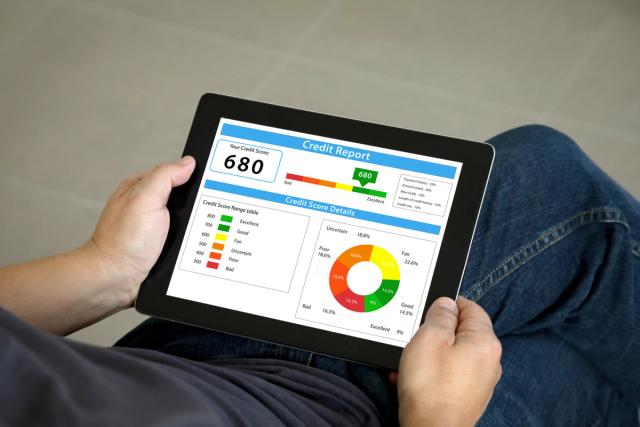
What is a good credit score?



You might strive for a good credit score because you’ve heard it can open up the doors for easier loan approvals, better credit cards, and lower interest rates.
If you’re wondering what a good credit score is and how to get one, here’s what to know.
What is considered a good credit score?
A good credit score is typically a FICO score between 670 and 739. If your score is higher than that, it probably falls in the “very good” or “excellent” range. As of 2026, about 70% of consumers have a good credit score or better, according to Experian data.
Having a good credit score is usually the point where lenders start viewing you as a less risky borrower. In turn, you might have an easier time getting approved for personal loans, mortgages, credit cards, and other financial products.
That said, the higher your credit score, the better. You’ll usually get more optimal rates if your score is 720 or higher, and you’ll get the absolute best terms and loan options if your score is 800 or above.
Credit score ranges
Most lenders use the FICO score, which is a credit-scoring system (another is VantageScore). The FICO scoring system breaks credit score ranges into a few clear categories — here’s how they typically break down:
| Credit tier | FICO score range |
|---|---|
| Excellent | 800 to 850 |
| Very good | 740 to 799 |
| Good | 670 to 739 |
| Fair | 580 to 669 |
| Poor | 300 to 579 |
So, for example, if your credit score is 580, you technically have fair credit. But if your score is anywhere from 670 to 739, you have a good credit score.
Is a 700 credit score good?
Yes, a 700 credit score is generally considered good. At this level, you’ll likely qualify for a wide range of financial products, such as credit cards, personal loans, and mortgages. Additionally, you’ll typically get approved for relatively competitive interest rates compared to borrowers with lower scores.
Having a 700 credit score also means you’re near the edge of the next tier. Once your score moves into the 740 and above range, lenders might start offering better rates and terms or even higher credit limits. This is because higher scores indicate you have a longer track record of responsibly managing your credit, which includes good habits like making on-time payments and keeping your credit usage low.
So while a 700 is a good credit score, there’s still room to improve. If you keep putting in the consistent work required to increase your score, you could access even better borrowing opportunities in the future.
What credit score do you need for…
Now that you know what a good credit score is, you might be wondering what specific score you need to get approved for a mortgage, a credit card, an auto loan, and more. Here’s a quick look at what lenders often look for:
| Product | Typical minimum credit score needed |
|---|---|
| Credit card | 670 or higher |
| Personal loan | 670 or higher |
| Auto loan | 600 or higher |
| Conventional mortgage | 620 or higher |
In general, having a credit score of 740 or higher can help you qualify for more competitive rates, while a score of 800 or higher will get you the best rates and terms available.
What is the average credit score?
As of 2025, the average credit score in the U.S. was 713, according to Experian data. This falls in the “good” range.
Here’s how scores broke down by credit score range across the population:
- Poor (300 to 579): 14.7%
- Fair (580 to 669): 14.9%
- Good (670 to 739): 20.1%
- Very good (740 to 799): 27.5%
- Exceptional (800 to 850): 22.8%
One interesting thing to note is that people with higher scores tend to use less of their available credit, which is referred to as credit utilization. For example, Experian found that average credit utilization drops from around 79% in the “poor” credit score range to just 7% in the “exceptional” range.
This isn’t too surprising when you consider that payment history (whether you pay your bills on time) and credit utilization are two of the biggest factors that make up your credit score (35% and 30% of your overall score, respectively). If you consistently borrow less and pay it back on time, your score will likely improve.
How to improve your credit score
Your credit score is based on several factors, such as your payment history, how much credit you’re using, and how long you’ve had accounts open. So if you want to improve your credit score, focusing on these key areas can help.
Here are some of the most effective places to start:
- Pay your bills on time. This is the biggest factor in your credit score. Even one missed payment can derail your credit score, so do whatever it takes to pay on time. For example, you might set up automatic payments or schedule reminders on your calendar.
- Lower your credit utilization. It’s a good rule of thumb to use no more than 30% of whatever your available credit is — the lower, the better. Paying down balances or making multiple payments throughout the month can help keep this ratio down.
- Avoid opening too many new accounts at once. Each credit card or loan application you submit will trigger a hard inquiry on your credit report. This can lower your credit score temporarily, so be conscious about opening new accounts only when necessary.
- Don’t close older accounts. The length of your credit history also makes up a chunk of your credit score. Even if you don’t use a credit card often, for example, keeping it open can help improve your score as your account gets older.
- Check your credit report for errors. You can visit AnnualCreditReport.com to get your credit report for free each week from each of the three major credit bureaus — Equifax, Experian, and TransUnion. If you find any errors, dispute them to potentially boost your credit score.
How long does it take to get good credit?
It depends on where you’re starting. If you’re building credit from scratch, it can take at least six months to generate a FICO score and even longer to reach the good credit score range.
If you’re improving an existing score, some changes could help within a billing cycle or two — like paying down or consolidating your debt. Others — like building a longer credit history — take more time.
Why a good credit score matters
A good credit score can make everyday financial decisions easier (and cheaper). For instance, with a stronger score, you might:
- Qualify for loans more easily
- Get lower interest rates, which could reduce what you pay over time
- Unlock better credit card offers and perks
- Pay lower insurance premiums (in some states)
- Have an easier time renting an apartment
- Get hired for a job from which you otherwise might have been rejected
You don’t need a perfect score to get these benefits. But moving from fair to good or from good to very good can make a noticeable difference in what’s available to you.
Keep reading: What affects your credit score?
Good credit score FAQs
No, a 650 credit score falls in the “fair” range, which isn’t quite considered a good credit score. You might still qualify for some credit cards or loans, but your options could be more limited. You’re also likely to end up with higher interest rates compared to someone with a score in the high 600s or 700s.
If you’re close to 670, even a small improvement could move you into the “good” category and open up better offers.
An 800 credit score is considered exceptional — so it’s even better than good. This is a top-tier credit score, and it can qualify you for the best rates, highest credit limits, and strongest offers.
For most conventional mortgages, you’ll typically need a score of at least 620. But if you want better interest rates and terms, a score of 740 or higher can make a big difference.
Mortgage lenders will also look at other factors (like your income, debt, and down payment), so your credit score is just one piece of the puzzle.
In most scoring models, 670 is the starting point for “good” credit. This is the threshold where lenders generally start viewing you as a lower-risk borrower. From there, higher scores (especially 740 or higher) can help you qualify for better rates and terms.