What is uninsured motorist coverage?


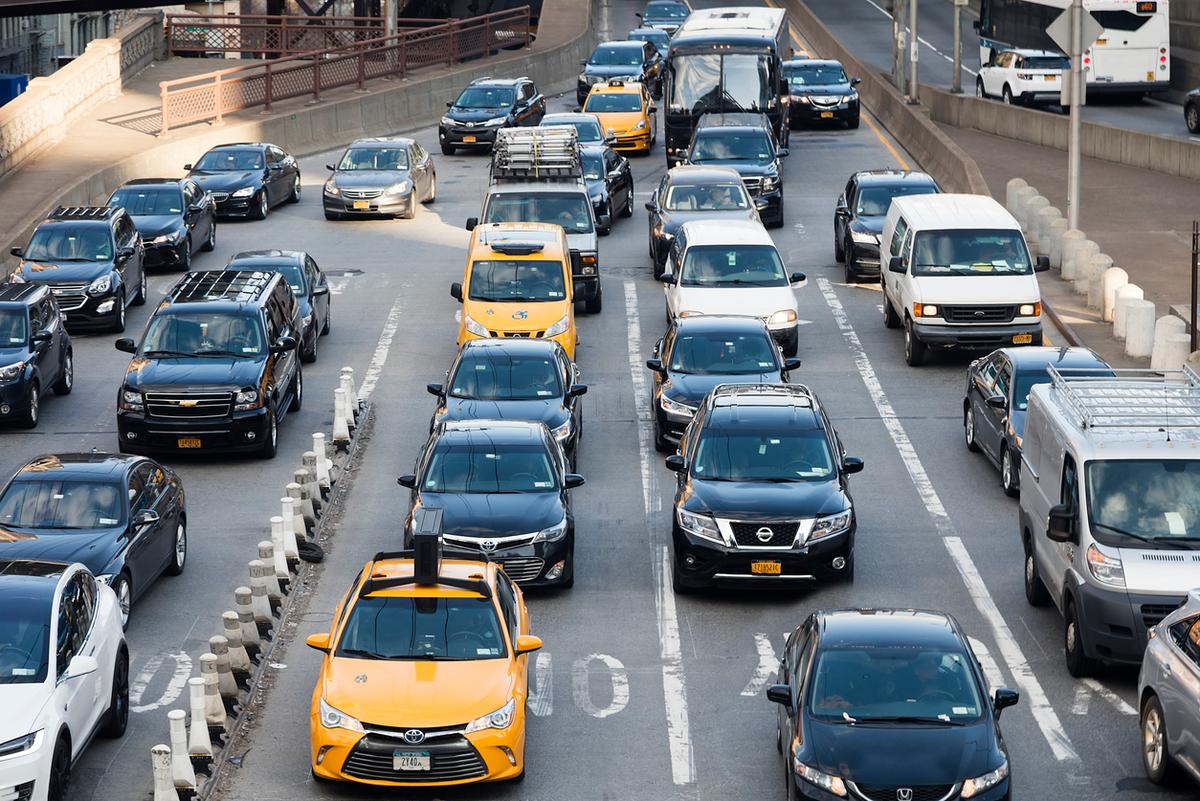
According to the latest data from the Insurance Research Council (IRC), roughly 15.4% of drivers are uninsured. If you’re in an accident caused by a driver who doesn’t have insurance, uninsured motorist coverage could help pay for medical bills, lost wages, pain and suffering, or even vehicle repairs.
Here’s what to know about uninsured motorist coverage, including how it works and what it pays for.
How uninsured motorist coverage works
In a typical car accident, the at-fault driver uses their liability insurance to pay for the injuries and property damage they’ve caused. But what happens if the driver who hit you doesn't have insurance at all?
Enter: uninsured motorist coverage. Instead of relying on the at-fault driver's insurance company to cover your losses, you file a car insurance claim through your own insurance policy. Your uninsured motorist coverage can then help pay for covered expenses up to your policy limits.
For example, imagine you're stopped at a red light when another driver rear-ends you. You suffer a neck injury, miss several weeks of work, and rack up over $5,000 in medical bills. You also discover the other driver doesn't have car insurance. In this situation, uninsured motorist coverage could pay for covered damages.
What uninsured motorist coverage pays for
Uninsured motorist coverage typically helps with any expense that arises when an uninsured driver causes an accident. This could include:
Medical expenses
If you or your passengers are injured, uninsured motorist bodily injury coverage might help pay for medical costs, such as:
- Emergency room visits
- Ambulance transportation
- Hospital stays
- Surgery
- Physical therapy
- Rehabilitation
Lost wages
You might be forced to miss work while recovering from an accident caused by an uninsured driver. In this case, uninsured motorist coverage could replace a portion of your lost income. For some households, losing a paycheck after an accident can create a bigger financial burden than the medical bills themselves.
Pain and suffering
Unlike health insurance, uninsured motorist bodily injury coverage might also compensate you for non-economic damages, such as pain and suffering. For example, if an accident leaves you dealing with chronic pain, emotional distress, or a reduced quality of life, your uninsured motorist coverage could account for those losses as part of a settlement.
Vehicle and property damage (in some states)
In many states, collision insurance is what pays for damage to your vehicle after an accident. However, some states offer uninsured motorist property damage coverage (UMPD). This can pay to repair or replace your vehicle and your personal property (like your house) if it's damaged by an uninsured driver specifically.
The Insurance Information Institute (III) recommends checking with your insurance company or state department on whether UMPD is an option in your state.
Does uninsured motorist coverage cover hit-and-run accidents?
Uninsured motorist coverage often covers hit-and-run accidents. If you also have collision insurance, both your uninsured and collision coverages could be used together to cover a hit-and-run accident.
If you have UMPD, a hit-and-run might not be covered under your policy. In this situation, you’d need collision coverage to pay for damages.
Is uninsured motorist coverage required?
This depends on your state. According to the III, uninsured motorist coverage is generally required in the following states:
- Connecticut
- The District of Columbia
- Illinois
- Kansas
- Maine
- Maryland
- Massachusetts
- Minnesota
- Missouri
- Nebraska
- New Jersey
- New York
- North Carolina
- North Dakota
- Oregon
- South Carolina
- South Dakota
- Vermont
- Virginia
- West Virginia
- Wisconsin
In most other states, uninsured motorist coverage is optional, though insurers are usually still required to offer it when you purchase a policy. You’ll have to reject the coverage in writing if you don't want it.
All of this to say, there's a real chance you could eventually be involved in an accident with someone who either doesn’t have enough coverage or doesn’t have insurance at all.
How much uninsured motorist coverage do you need?
It’s generally recommended to get at least enough coverage to replace your vehicle. But you could want more than that. When choosing coverage limits, consider:
- Your income and earning potential
- Your existing savings and emergency fund
- Your health insurance coverage
- The uninsured driver rate in your state
- How much financial risk you're comfortable taking on
How uninsured motorist coverage compares to other types of car insurance
Uninsured motorist coverage, collision, comprehensive, and liability insurance all come into play after an accident. However, each type of coverage protects against a different risk.
Here’s how these types of car insurance compare:
| Coverage type | What it can cover |
|---|---|
| Liability insurance | Injuries and property damage you cause to other people |
| Collision insurance | Damage to your vehicle after an accident, regardless of fault |
| Comprehensive insurance | Non-collision damage, such as theft, vandalism, weather damage, or damage from falling objects |
| Uninsured motorist coverage | Injuries and certain damages caused by a driver with no insurance |
| Underinsured motorist coverage | Injuries and certain damages caused by a driver who doesn't have enough insurance |
Uninsured vs. underinsured motorist coverage
Uninsured motorist coverage and underinsured motorist coverage look almost the same when you’re scanning insurance documents. The difference comes down to whether the at-fault driver had any insurance at all.
- Uninsured motorist coverage applies when the at-fault driver has no insurance whatsoever.
- Underinsured motorist coverage applies when the at-fault driver has insurance, but their policy limits aren't high enough to fully cover your damages.
For instance, imagine you're injured in an accident, and your total damages equal $100,000.
- If the at-fault driver has no insurance, uninsured motorist coverage could step in and help cover your losses up to your policy limits.
- If the at-fault driver has insurance but only carries $25,000 of bodily injury liability coverage, their insurer would generally pay first. Your underinsured motorist coverage could then help cover some or all of the remaining $75,000, up to your policy limits.
When uninsured motorist coverage is worth it
Uninsured motorist coverage could be worth adding to your car insurance policy if:
- You don't have enough savings to cover a large medical bill.
- You rely on your income and couldn't easily afford weeks or months without a paycheck.
- You regularly drive in areas with a high percentage of uninsured drivers.
- You frequently have passengers in your vehicle.
- You want additional protection beyond what health insurance provides.
When you may not need uninsured motorist coverage
If your state doesn't require uninsured motorist coverage, you might not need especially high limits if you have enough assets to absorb a major financial setback.
For example, someone with a large emergency fund and comprehensive health coverage might be less concerned about covering medical bills after an accident than someone who would struggle to pay a $5,000 hospital bill.
That said, even financially secure drivers should think beyond medical expenses. Uninsured motorist coverage can also help replace lost wages and compensate for pain and suffering after a serious accident.
Keep reading: How to get an emergency loan
How much uninsured motorist coverage costs
Uninsured motorist coverage costs $67 per year — or $5.58 per month — on average, according to The Hanover Insurance Group.
The exact cost varies depending on the insurance company as well as factors like:
- Your state
- Coverage limits
- Driving history
- Age
- Vehicle type
When uninsured motorist coverage can save you thousands
Most drivers never plan on being hit by someone who doesn't have insurance. Unfortunately, that doesn't stop it from happening.
Uninsured motorist coverage can be extremely valuable when an accident results in serious injuries, lengthy medical treatment, lost income, or long-term recovery. In these situations, the costs can quickly climb far beyond what many households could comfortably afford out of pocket.
And considering how many uninsured drivers are on the road, having this coverage is almost always worth it.
Uninsured motorist coverage FAQs
It depends. Even if you have health insurance, you should also consider getting uninsured motorist coverage. Your health insurance might help cover medical treatment after an accident, but it generally won't cover lost wages, pain and suffering, or certain other damages.
If an uninsured driver causes an accident, you might be able to file a claim through your uninsured motorist coverage. Depending on your policy and state, this coverage can help pay for medical expenses, lost income, and other covered losses you experience.
While these coverages are similar, they’re used in different situations. Uninsured motorist coverage applies when an at-fault driver has no insurance at all. Underinsured motorist coverage applies when an at-fault driver has insurance but not enough to fully cover your damages.
It depends. In some states, UMPD coverage can help pay for repairs to your vehicle after an accident caused by an uninsured driver. In others, collision coverage is what pays for your car’s damage.
Many insurance professionals recommend having the same limits for both your uninsured motorist coverage and your liability coverage — or at least enough to replace your vehicle.
If you need help deciding what limits are right for you, it’s a good idea to speak to an insurance professional.